Method
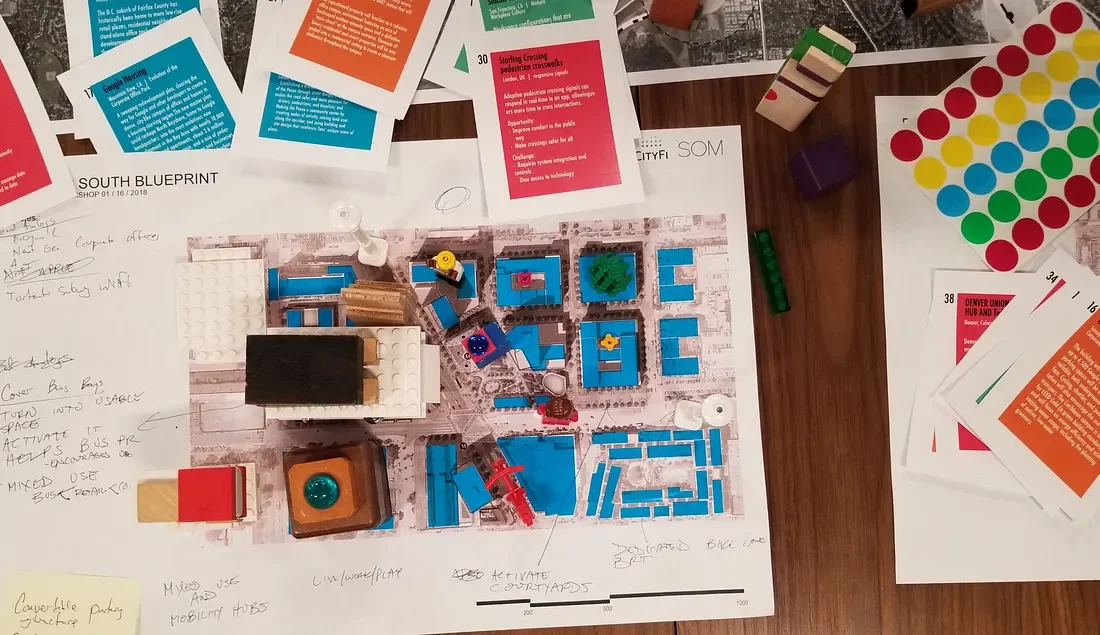
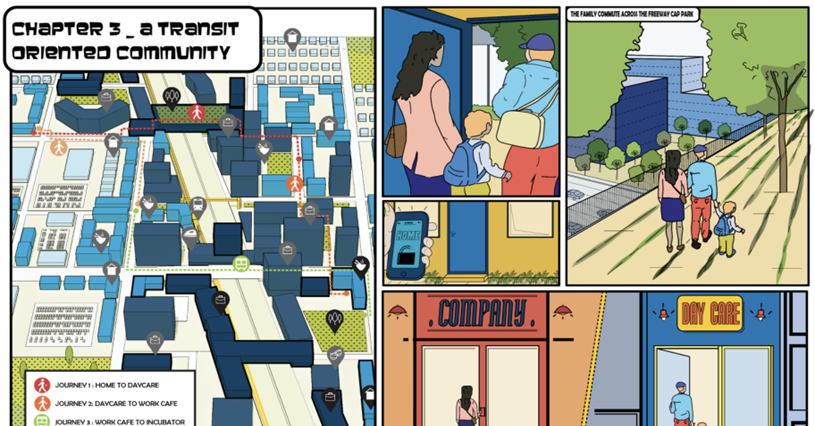
Cityfi was engaged to help shape and synthesize this future-facing vision into the Denver South Blueprint. Through scenario analysis, stakeholder interviews, data analysis, workshops, and the integration of numerous prior planning efforts and technical studies, Cityfi supported the development of a cohesive, cross-jurisdictional strategy. The team used hands-on workshops (with Legos!), creative story-telling, and tools like a health topography mapping to explore different futures and ultimately translate community values and local government priorities into a framework that emphasized the integration of land use, mobility, housing, and public space planning. Cityfi also introduced and advanced the “Metro Village Model”—a hybrid urban-suburban approach designed to channel growth toward walkable, transit-connected centers while preserving suburban and rural character elsewhere. The result was a values-driven, actionable roadmap that addressed near- and long-term infrastructure, policy, and partnership opportunities.
The Denver South Blueprint served as a unifying strategic document for jurisdictions across the corridor. It articulated a vision for regional transformation anchored by equitable access, multimodal mobility, and coordinated land use planning. Key deliverables included a menu of place-based interventions, policy levers, programmatic initiatives, and applied technology strategies. The Blueprint also offered a compelling narrative and visual framework—anchored by illustrative 2035 development scenarios—that helped galvanize support from public and private stakeholders.